






Struggling with a sharp, stabbing pain in your heel with your very first steps out of bed in the morning can completely disrupt your day. That common, painful sensation is frequently caused by a condition known as plantar fasciitis, a widespread foot problem that affects active adults, runners, and individuals who spend long hours standing. Fortunately, specialized Plantar Fasciitis Physiotherapy Treatment offers a safe, effective pathway to long-term relief and restored mobility.
At Dr. Priyanka Physio Clinics, we understand how debilitating foot pain can be, which is why targeted Plantar Fasciitis Physiotherapy Treatment is designed to address the root cause of your discomfort rather than just masking the symptoms.
The plantar fascia is a thick, web-like band of connective tissue (a ligament) that runs across the bottom of your foot, connecting your heel bone to your toes. It acts as a shock absorber and supports the arch of your foot as you walk, run, and move.
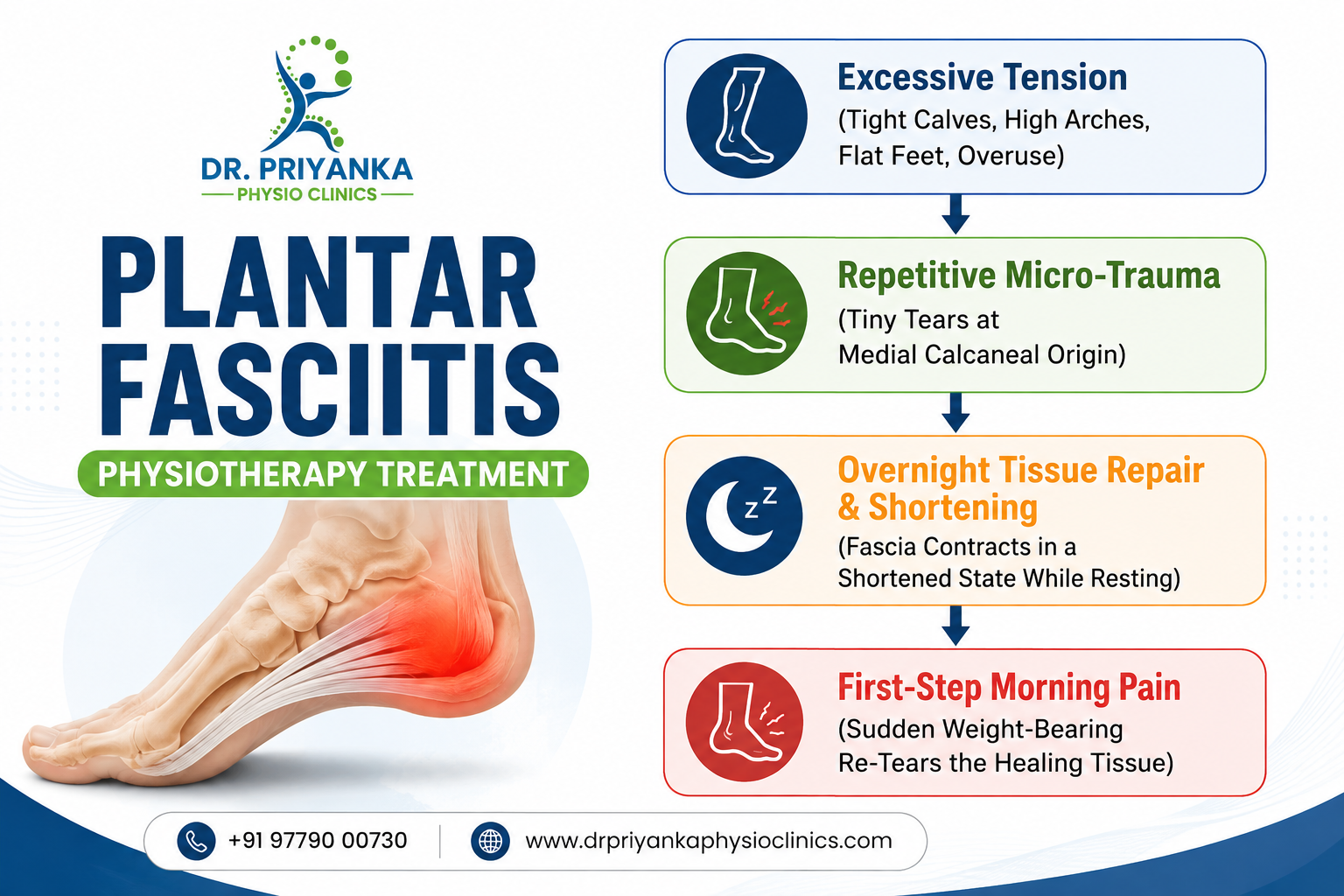
When this band is subjected to excessive tension, repetitive strain, or sudden overloading, tiny tears can develop in the tissue. This results in inflammation, irritation, and localized pain—a condition medically diagnosed as plantar fasciitis. Receiving an accurate clinical evaluation is the first essential step toward recovery, and expert Plantar Fasciitis Physiotherapy Treatment helps patients understand exactly how this condition impacts their biomechanics.
To help visualize how the condition impacts your foot, consider the following structural comparison:
| Anatomical Feature | Normal Foot | Plantar Fasciitis Foot |
| Plantaris Fascia Band | Flexible, evenly distributes shock across the arch | Tight, inflamed, and showing micro-tears near the heel insertion |
| Morning Experience | Supple movement upon waking | Sharp, stabbing pain on the first steps due to overnight tissue shortening |
| Biomechanics | Balanced weight load from heel to toe | Altered gait pattern shifting weight away from the painful heel |
Recognizing the early warning signs of heel trouble allows you to seek timely Plantar Fasciitis Physiotherapy Treatment before the condition worsens. The most characteristic symptom is a sharp, stabbing pain located at the bottom of the heel.
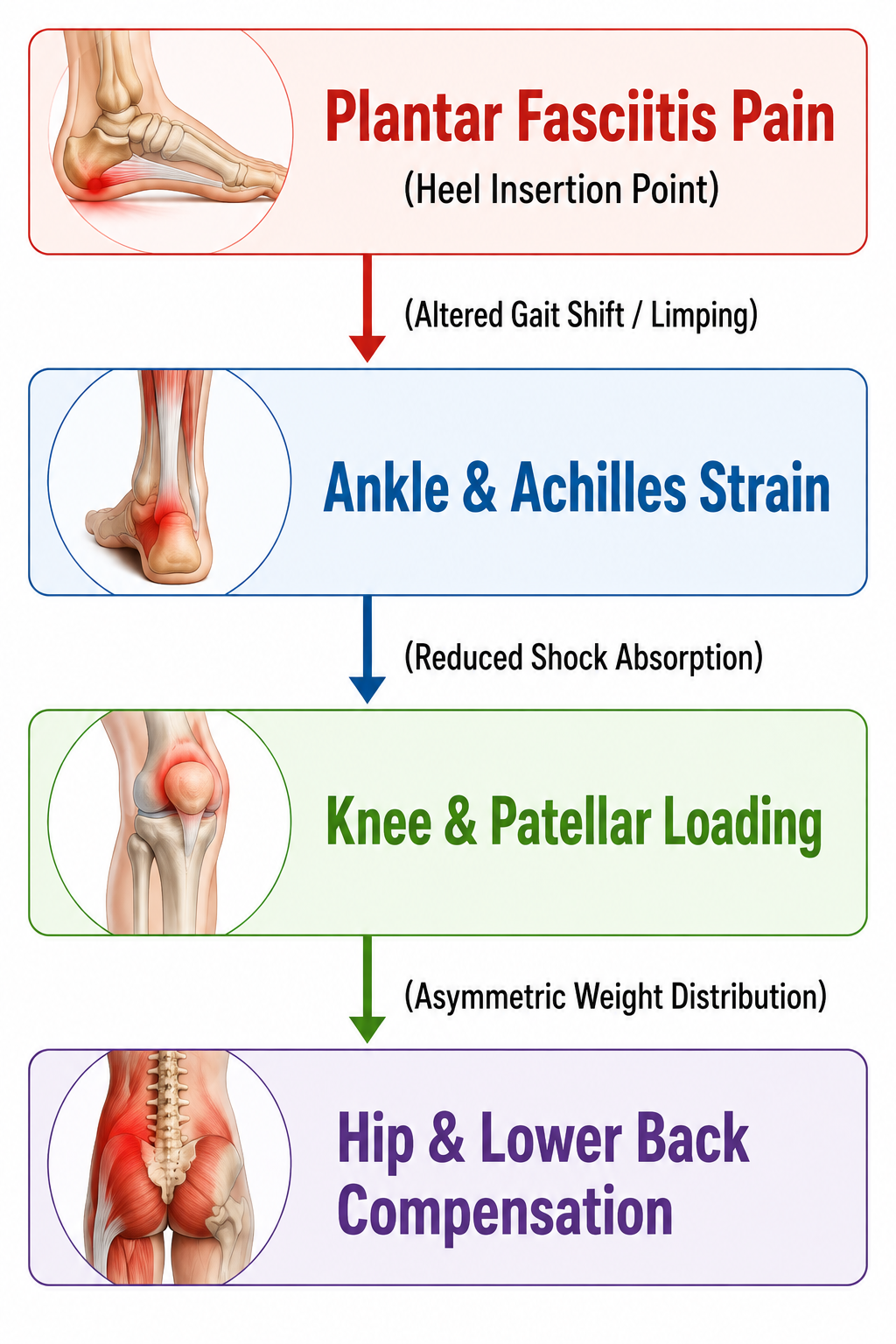
When every step feels like walking on a pebble, your daily life changes. Simple tasks like getting out of bed, grocery shopping, or doing household chores become painful chores. Many people unconsciously alter their walking pattern to avoid pain, which places abnormal stress on the ankles, knees, hips, and lower back. Comprehensive Plantar Fasciitis Physiotherapy Treatment restores normal walking mechanics, ensuring secondary aches and pains in other joints are prevented.
Plantar fasciitis rarely develops overnight; it is usually the accumulation of micro-trauma over time. Understanding what triggers this strain helps shape a successful Plantar Fasciitis Physiotherapy Treatment plan. Common risk factors include:
While resting and icing can temporarily soothe sore feet, they rarely resolve chronic heel issues on their own. Seeking professional Plantar Fasciitis Physiotherapy Treatment ensures that you receive a structured, scientific approach to healing.
A qualified practitioner at Dr. Priyanka Physio Clinics evaluates your entire lower limb alignment, gait, and muscle flexibility. Relying on specialized Plantar Fasciitis Physiotherapy Treatment accelerates natural tissue repair, reduces local inflammation, and rebuilds the structural resilience needed to prevent future flare-ups.
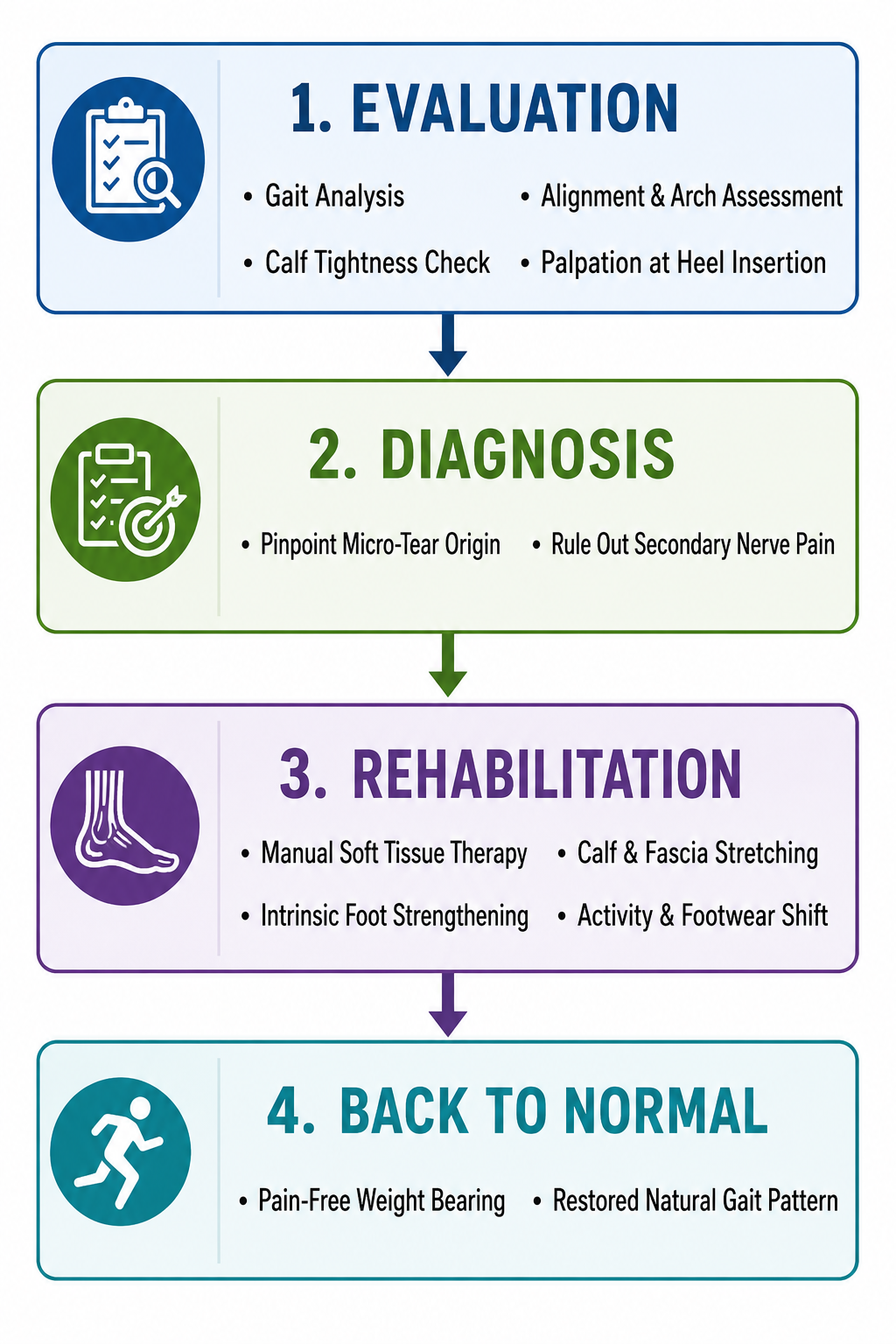
To ensure optimal recovery and long-term wellness, our practice is built upon a clear, step-by-step clinical philosophy:
Modern rehabilitation utilizes a multi-faceted approach to reduce pain and restore full foot function. A well-rounded Plantar Fasciitis Physiotherapy Treatment program incorporates several evidence-based techniques:
Restoring flexibility to tight structures is crucial. Plantar Fasciitis Physiotherapy Treatment routinely features targeted stretching exercises for the calves and the plantar fascia itself, combined with progressive strengthening exercises for the intrinsic foot muscles and lower leg stabilizers.
Hands-on care plays a significant role in recovery. Skilled physical therapists use soft tissue mobilization, cross-friction massage, and joint mobilizations to break down tight fascia, release muscular tension in the lower leg, and improve blood circulation to the healing area.
Even the best exercises will struggle if your daily environment works against you. Expert Plantar Fasciitis Physiotherapy Treatment provides practical guidance on selecting supportive footwear, utilizing temporary orthotics or heel cups if necessary, and modifying training or work loads to protect the healing tissue.
While professional guidance is indispensable, consistency with home care speeds up results. Here are standard exercises often integrated into a home routine prescribed during Plantar Fasciitis Physiotherapy Treatment:
Every individual heals at a different pace, and recovery timelines depend heavily on how long the condition has been present before starting Plantar Fasciitis Physiotherapy Treatment. Mild cases may improve within a few weeks, while chronic, long-standing issues can require several months of consistent rehabilitation.
You should consult a specialist for dedicated Plantar Fasciitis Physiotherapy Treatment if:
Managing persistent foot discomfort requires expert insight, compassionate care, and a personalized roadmap. At Dr. Priyanka Physio Clinics, our experienced clinical team specializes in comprehensive Plantar Fasciitis Physiotherapy Treatment tailored to your unique lifestyle, body mechanics, and recovery goals.
Through advanced manual therapy, corrective exercise prescription, and dedicated patient education, Dr. Priyanka Physio Clinics empowers you to overcome heel pain safely, regain your daily mobility, and step forward with confidence.
Once you have successfully completed your Plantar Fasciitis Physiotherapy Treatment, keeping your feet healthy requires ongoing mindfulness:
It targets the underlying mechanical causes—such as tight calves or weak foot arches—rather than just temporarily masking the pain symptoms.
Many patients notice a gradual reduction in morning pain within 2 to 4 weeks of consistent therapy and home exercise compliance.
Not usually. A professional Plantar Fasciitis Physiotherapy Treatment plan typically modifies your activities rather than stopping them entirely, keeping you as active as safely possible.
No. While supportive footwear or temporary inserts can help, many patients recover fully through targeted stretching, strengthening, and manual therapy alone.
You can easily schedule an initial evaluation to receive a customized Plantar Fasciitis Physiotherapy Treatment program designed specifically for your needs.
Living with chronic heel pain can make even the shortest walks feel exhausting, but you do not have to manage it alone. With a structured program of Plantar Fasciitis Physiotherapy Treatment, you can address the root mechanical causes of your discomfort, protect your joints, and return to an active, pain-free routine. Take the first step toward lasting relief by scheduling a professional consultation with Dr. Priyanka Physio Clinics today.