


Complete Guide to Physiotherapist Qualifications in India
In today’s dynamic healthcare landscape, physiotherapy stands out as a rewarding and impactful profession dedicated to restoring movement, reducing pain, and enhancing quality of life. As awareness about non-invasive treatments grows, the demand for skilled physiotherapists has surged across India. This Complete Guide to Physiotherapist Qualifications in India walks you through every essential detail—from educational pathways and eligibility criteria to career prospects and specializations. Whether you are a student planning your future or someone seeking expert care, understanding these qualifications helps make informed decisions. Dr. Priyanka Arora, a leading name in the field, exemplifies excellence with her robust credentials and patient-centered approach.
What Are the Educational Qualifications Required for Physiotherapists in India?
Becoming a qualified physiotherapist in India requires a structured academic journey focused on anatomy, physiology, biomechanics, and therapeutic techniques. The primary entry-level qualification is the Bachelor of Physiotherapy (BPT), which equips students with foundational knowledge and hands-on clinical skills. For those aiming higher, the Master of Physiotherapy (MPT) offers specialization in areas like orthopedics, sports, neurology, and more. In this Complete Guide to Physiotherapist Qualifications in India, we emphasize that regulatory bodies like the Indian Association of Physiotherapists (IAP) and state councils play a key role in maintaining standards.
Physiotherapist Eligibility, Courses & Career Scope Explained
To pursue physiotherapy, candidates typically need a science background. Eligibility usually includes passing 10+2 with Physics, Chemistry, and Biology (PCB) and English, securing at least 50-60% marks, and meeting the minimum age requirement of 17 years. Many institutions now consider entrance exams like NEET for BPT admissions. The career scope is vast, spanning hospitals, sports teams, rehabilitation centers, and private clinics. Physiotherapists enjoy strong job security and opportunities for entrepreneurship.
As a practicing expert, I often guide aspiring professionals on building a solid foundation. For top professionals in the region, check out the top 5 physiotherapists in Mohali.
Best Physiotherapy Courses After 12th for a Successful Career
After completing Class 12, the most popular route is the BPT program, lasting 4 years of academics plus a mandatory 6-month internship, totaling 4.5 years. Other options include diplomas, but BPT remains the gold standard for comprehensive training. Students learn subjects like exercise therapy, electrotherapy, and pathology through a mix of theory, practical labs, and clinical postings.
- BPT Curriculum Highlights: Anatomy, Physiology, Biomechanics, Orthopedics, Neurology.
- Internship: Hands-on experience in real healthcare settings.
- Post-BPT Options: MPT (2 years), certifications, or PhD for research-oriented careers.
Specialized training enhances expertise. For sports enthusiasts, experienced sports physiotherapist in Panchkula professionals deliver targeted care.
Best Physiotherapist in Chandigarh, India: Dr. Priyanka Arora’s Physiotherapy Certifications
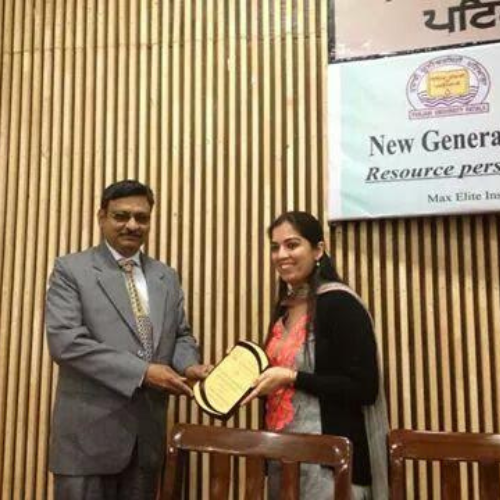
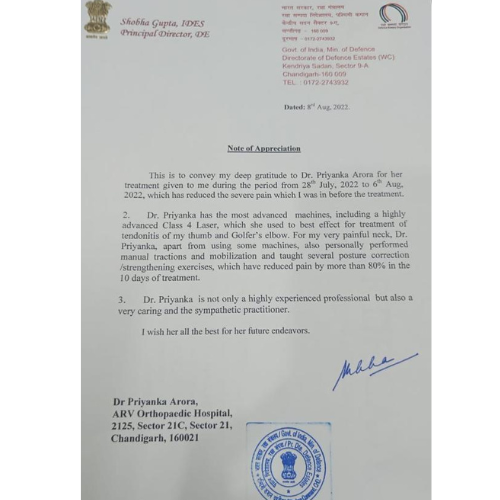
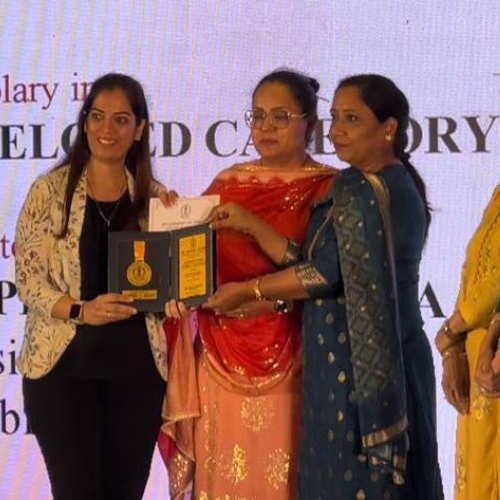
Dr. Priyanka Arora stands as a benchmark in the industry. She completed her BPT from S.B.S (PG) Institute of Biomedical Sciences & Research, Dehradun, followed by a Master’s in Orthopaedic Physiotherapy from Rohtak University. Dr. Priyanka Arora holds a Bachelor of Physiotherapy (BPT) and an MD in Acupuncture. She is Twist Certified (USA), backed by 10 advanced certifications. She holds a Certified Manual Therapy qualification from Capri Institute and is a member of the Indian Association of Physiotherapists (MIAP). With over 15 years of experience, including leadership roles at FORTIS and Max Hospitals, Dr. Priyanka combines academic rigor with practical excellence.
Her clinic offers personalized care, making her one of the most trusted names. Discover more about her journey on the about us page.
Top Qualifications Required for Physiotherapists in 2026
By 2026, qualifications emphasize evidence-based practice, technology integration, and specializations. Expect greater focus on certifications in manual therapy, dry needling, cupping, and advanced rehab tools. Regulatory updates may standardize curricula nationwide, including NEET for admissions.
Additional credentials boost credibility:
- Advanced Manual Therapy
- Kinesio Taping and Cupping Therapy
- Specialized MPT in Orthopedics, Neurology, or Sports
- Continuing Professional Development (CPD) credits
Why Physiotherapy Is One of the Fastest Growing Healthcare Careers
With an aging population, rising sports injuries, and post-pandemic focus on wellness, physiotherapy is booming. The sector is projected to grow significantly, offering attractive salaries starting from ₹3-5 LPA for freshers and scaling higher with experience and specialization.
Many professionals also pursue personal training expertise. Explore options with a dedicated personal trainer for holistic fitness integration.
Future Scope of Physiotherapy After BPT & MPT
After BPT, graduates can enter clinical practice immediately. MPT opens doors to teaching, research, and senior roles with higher pay. The future includes tele-rehabilitation, robotic-assisted therapy, and sports science integration. International opportunities and private practice ownership are also promising.
Cardio-respiratory specialists are in high demand for managing respiratory conditions. Learn more about best cardio respiratory physiotherapy services.
Step-by-Step Guide to Becoming a Professional Physiotherapist
- Complete 10+2 with PCB and qualify entrance exams if required.
- Enroll in a recognized BPT program.
- Complete the mandatory internship.
- Register with state physiotherapy council and IAP.
- Pursue MPT or certifications for specialization.
- Gain experience and continue learning through workshops.
How to Choose the Right Physiotherapy Course for Your Career
Consider accreditation, faculty expertise, infrastructure, clinical exposure, and placement records when selecting a college. Align the course with your interest—orthopedics for musculoskeletal issues or pediatrics for child health.
- For advanced techniques, clinics offering best manual therapy in Chandigarh provide superior outcomes through skilled hands-on approaches.
- Therapies like cupping complement traditional methods. Experienced providers deliver best cupping therapy in Chandigarh.
Modern practices incorporate various methods. Check out special techniques for physiotherapy for innovative care.
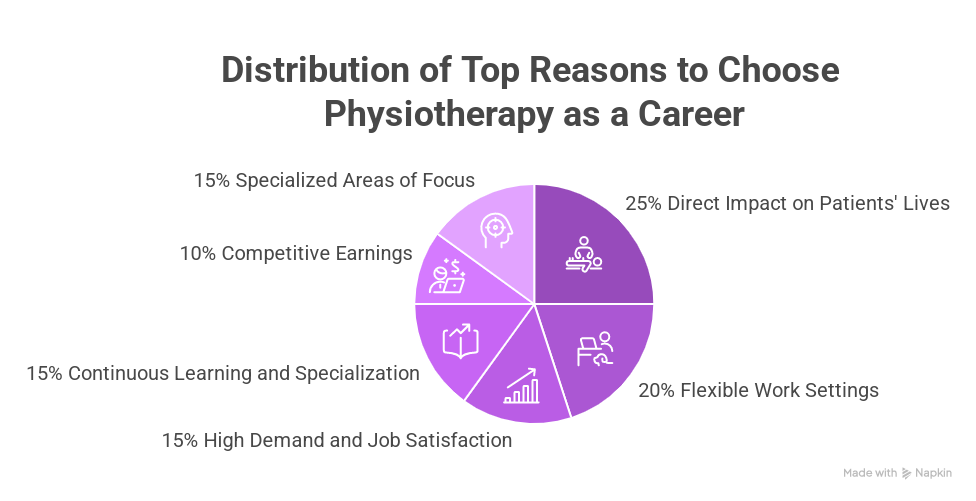
Top Reasons to Choose Physiotherapy as a Career in Healthcare
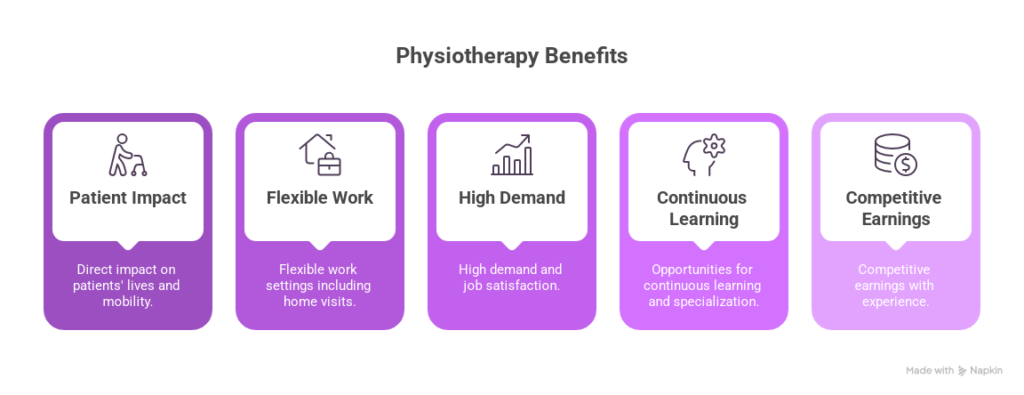
- Direct impact on patients’ lives and mobility.
- Flexible work settings including home visits.
- High demand and job satisfaction.
- Opportunities for continuous learning and specialization.
- Competitive earnings with experience.
Women’s health requires specialized knowledge. Seek care from the best women health physiotherapist. For children, dedicated experts make a difference as the best pediatric physiotherapist. Athletes benefit immensely from targeted rehab. Professionals excel in best physiotherapy for sports injury.
Neurological conditions need expert intervention through best neurology physiotherapy. Orthopedic focus remains core for many. Explore orthopaedic physiotherapists in Mohali and best orthopaedic physiotherapy services.
Bachelor vs Master in Physiotherapy: Which Qualification Is Better?
BPT provides entry-level competence for general practice. MPT offers deeper specialization, research skills, and better career advancement. Choose based on your goals—clinical practice versus academia or leadership.
How Long Does It Take to Become a Physiotherapist in India?
BPT takes 4.5 years including internship. Adding MPT extends it by another 2 years. Certifications can be completed alongside or post-graduation in months.
FAQ: Complete Guide to Physiotherapist Qualifications in India
1. What is the main qualification for a physiotherapist in India?
The primary qualification is a Bachelor of Physiotherapy (BPT) degree followed by registration with relevant bodies.
2. Is NEET required for BPT admission?
Many institutions now require NEET or institution-specific entrances, though policies vary by state and college.
3. What is the duration of BPT course?
BPT is typically 4 years of study plus 6 months of compulsory internship.
4. Can I specialize after BPT?
Yes, through MPT programs in various specialties like orthopedics, neurology, or sports medicine.
5. What certifications does Dr. Priyanka Arora hold?
She holds BPT, Master’s in Orthopaedic Physiotherapy, Certified Manual Therapy, and MIAP membership.
6. What is the salary of a physiotherapist in India?
Freshers earn ₹3-5 LPA; experienced professionals with specializations can earn ₹8-15 LPA or more.
7. Is physiotherapy a good career for women?
Absolutely. It offers flexible hours, high respect, and opportunities in women’s health and pediatrics.
8. Do physiotherapists need a license?
Yes, registration with the state physiotherapy council is essential for legal practice.
9. What are emerging trends in physiotherapy qualifications?
Focus on digital health, AI-assisted rehab, and advanced manual techniques.
10. How can I consult Dr. Priyanka Arora?
Visit her clinic or reach out via the contact us page for appointments.
Conclusion
This Complete Guide to Physiotherapist Qualifications in India highlights the structured path to a fulfilling career in physiotherapy. With the right education, certifications, and passion for helping others, you can thrive in this growing field. Dr. Priyanka Arora and her team embody the highest standards of care, blending qualifications with compassion. Whether you aspire to join the profession or seek expert treatment, prioritize quality credentials and patient-focused expertise for the best outcomes. Start your journey today toward better health and professional success.